Is Serving God Worth It? The Last Dispute in Malachi
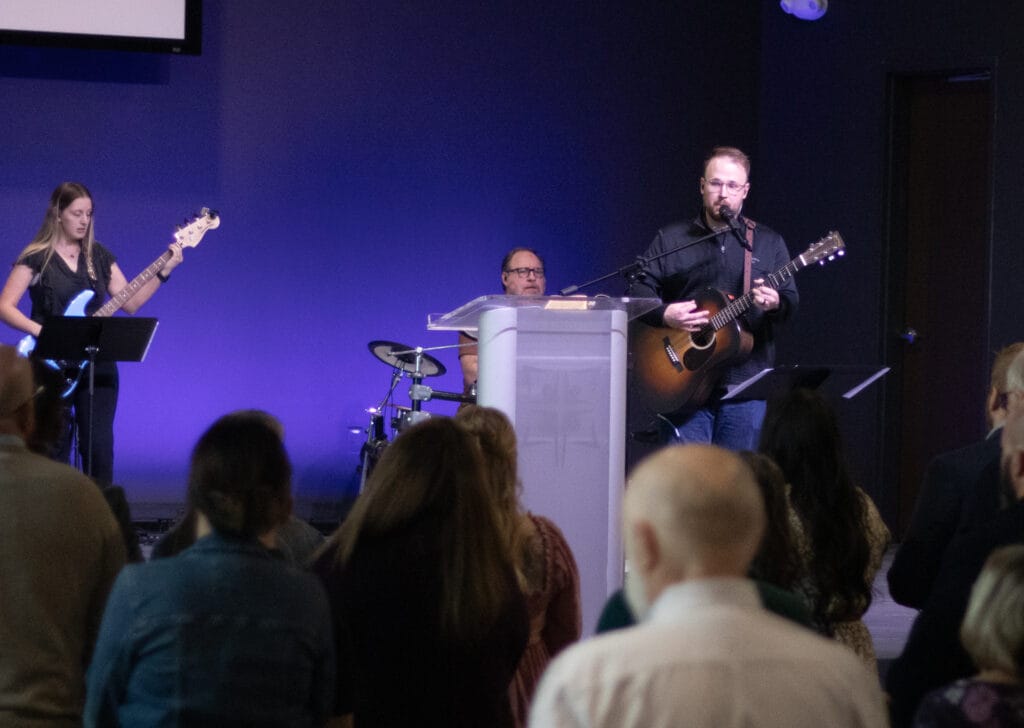
I had the privilege of closing out our series on the Minor Prophets, reading the very last verses of Malachi, which are also the last verses of the Old Testament. I had hurt my back playing basketball with my two oldest boys, and I told the church the stool next to me was not only for my Bible, so if I sat down in the middle of preaching, I had not stopped being a Baptist. Malachi delivers his message in six disputes between God and his people, and each follows the same pattern: God introduces the issue, the people ask a defensive question, and God responds. This was the sixth.
The Complaint
Malachi 3:13 introduces the issue: “your words have been hard against me.” The people ask, how have we spoken against you? That is the knee-jerk defensiveness we feel when someone calls us out. God repeats back to them what they have said. “Here’s what they’re saying serving God is pointless what’s in it for us.” Wicked people prosper and put God to the test and escape. David voiced the same complaint in Psalm 73, saying all in vain have I kept my heart clean. You can probably find this complaint in your own heart from time to time.
Part of the problem is that “they were seeing God as a means to an Earthly end.” Their formula was obey God and serve God equals prosperity, and that is wrong thinking. John Piper wrote a book titled God Is the Gospel. The good news is not that you turn to Jesus and your problems melt away. Anyone who has been a Christian more than five years knows that. “God is the good news God is the reward God is the treasure.” First Peter 3:18 says Christ died for sins once for all, the righteous for the unrighteous, to bring us to God.
Two Phrases to Understand
The day of the Lord. “The day of the Lord is a day in the future known to God but not known to us when Christ will return to judge and to save.” Christians disagree about what happens before it, but not about that day. It is like the buzzer at the end of the fourth quarter. God focuses his people on that future day instead of on everything going on around them.
The fear of the Lord. My son Brady once asked at dinner what it means to fear God, and halfway through my answer I realized I did not know what I was talking about. I said I would get back to him, and we ended up doing a deep dive. For Christians the fear of the Lord goes through three stages. First, there was a day when you did not fear God at all, as Romans 3:18 says. Second, by God’s grace you saw your sin before a holy God and were terrified. John Bunyan wrote that “there is not always Grace where there is the fear of Hell yet to be sure there is no Grace where there is no fear of God.” That fear set you up to receive mercy. Third, you came to know his forgiveness, and your fear became awe, a fear that drives you to God. Psalm 130:4 says, with you there is forgiveness that you may be feared. So the fear of the Lord is “a deep and serious reverence before your heavenly father that gives you this desire to please him in all things.”
God’s Response
Verse 16 says those who feared the Lord spoke with one another, and a book of remembrance was written. I believe this is the book that Luke 10:20 refers to when it says your names are written in heaven. God says they will be his treasured possession, and he will spare them as a man spares his son. Once more they will see the distinction between the righteous and the wicked. God moves their gaze downstream. It feels long, but how many years is forever? Peter calls suffering a momentary affliction, preparing us for a weight of glory. “This life for the Christian it’s as bad as it’s going to get if you’re not a Christian this life is as good as it’s going to get.” Chapter 4 verse 1 says the day will burn like an oven, and the arrogant will be stubble.
For those who fear his name, the sun of righteousness will rise with healing in its wings, and they will go out leaping like calves from the stall. I had to call our pastor to explain that verse, because I had never seen a calf in a stall. And John Blanchard wrote, “although God’s ways are always perfect they are sometimes perplexing.” “We are called to trust him even when we cannot trace him.”
The Call and the Comfort
Malachi ends with a call to obedience and a comfort. Verse 4 says remember the law of Moses. We are not under it the way Israel was, but Jesus says whoever has my commands and obeys them loves me, and the greatest are to love God and to love others. That is the theme our church chose. The comfort is that God will send Elijah before the great day. That was John the Baptist, in the spirit of Elijah, and then Christ came to live, suffer, die, and rise. We are waiting for that day when he returns.
“The only two days that matter to the Christian are today and that day.” I spend too much of my time worrying about tomorrow, but at my best I am preoccupied with how God might use me today and find comfort in the certainty of that day.
Discussion Questions
- The people thought obedience should earn an easier life. Where have you expected God to reward your faithfulness with comfort or success?
- I described three stages in the fear of the Lord. Which stage best describes where you are today, and what would move you toward reverent awe?
- The only two days that matter are today and that day. What would it look like this week to trust God with tomorrow and focus on how he might use you today?
Fight to keep perspective, and live in the light of that day’s certainty.